

Luck or skill what truly influences your gambling success
The Role of Luck in Gambling
Luck is often touted as a primary factor in gambling success. Many players believe that winning is largely a matter of chance. This perspective is particularly prevalent in games like slots and roulette, where outcomes are random, and players have little control over the results. For these games, luck can turn a modest bet into a significant payout in an instant, creating an allure that keeps gamblers coming back for more, not unlike the appeal of an online casino.

However, relying solely on luck can lead to a precarious situation. Those who do not understand the odds and probabilities involved may find themselves on the losing side more often than not. While luck can provide short-term wins, sustainable gambling success typically requires a deeper understanding of how games work and the house edge associated with them.
The Importance of Skill in Gambling
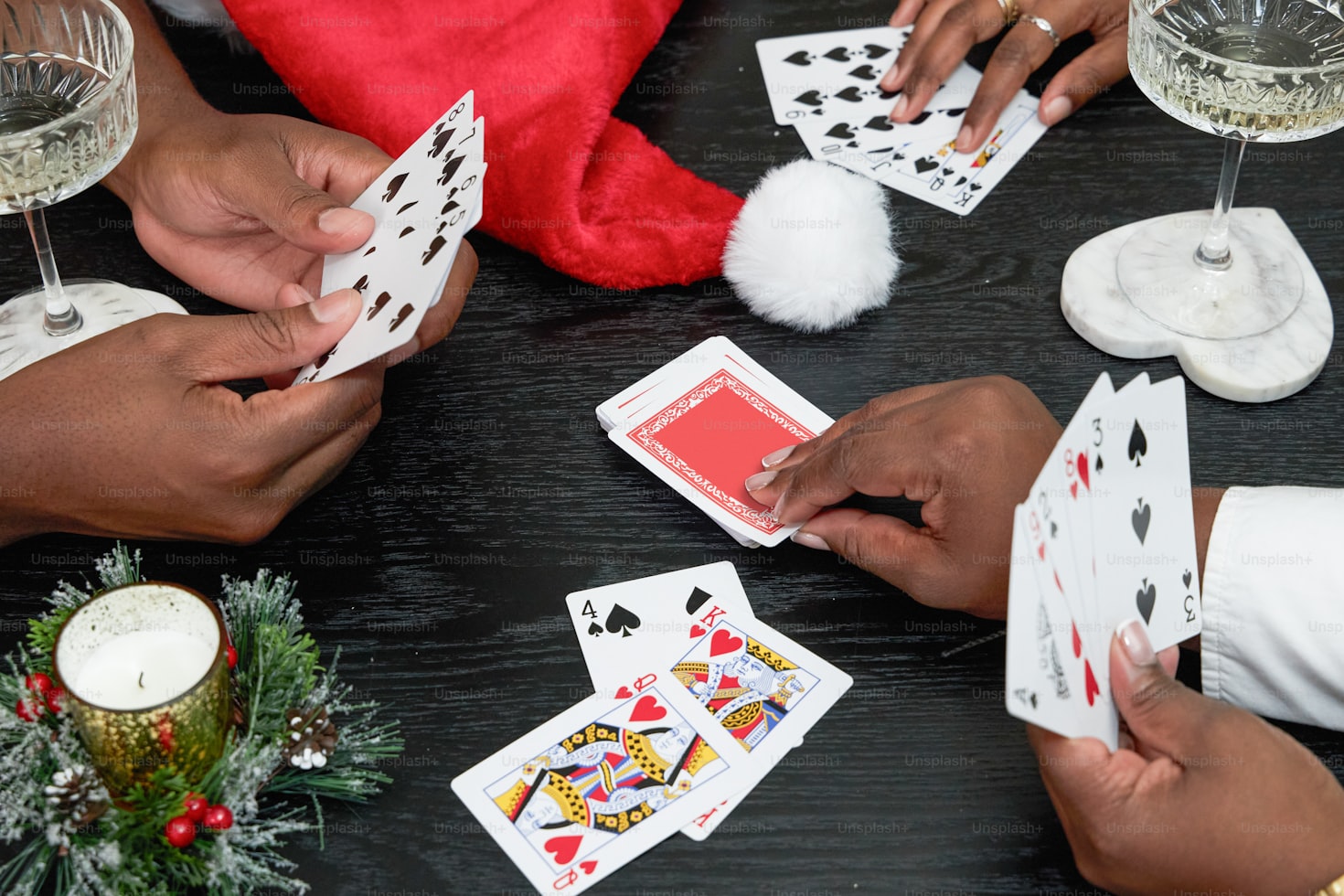
While luck plays a significant role, skill is undeniably crucial in many forms of gambling. Games like poker and blackjack require strategic thinking, quick decision-making, and a solid grasp of probabilities. Skilled players can analyze their opponents, manage their bankrolls effectively, and utilize advanced strategies to increase their chances of winning.
Moreover, skillful players often find ways to mitigate the impact of luck. For example, in poker, a player may not always have the best hand, but through bluffing and psychological tactics, they can influence the outcome of the game in their favor. This highlights the importance of education and practice in mastering games that involve skill.
Cultural Influences on Gambling Success
Cultural factors significantly shape attitudes towards gambling and perceptions of luck and skill. In some cultures, gambling is viewed as a risky endeavor, while in others, it is seen as a legitimate form of entertainment. These differing attitudes can affect how individuals approach gambling—some may rely more heavily on luck, while others may cultivate their skills diligently.
For instance, in countries where poker is popular, players often invest time in learning strategies and honing their skills. Conversely, in places where games of chance are predominant, players may focus less on skill and more on the thrill of the game. Understanding these cultural nuances can provide valuable insight into why certain players may be more successful than others.
Psychological Factors Affecting Gambling
The psychology of gambling plays a significant role in determining success. Gamblers often experience cognitive biases that can skew their perception of luck and skill. For example, the gambler’s fallacy leads some to believe that past events can influence future outcomes, resulting in poor decision-making.
Additionally, emotional factors such as thrill-seeking or loss aversion can also impact gambling behavior. Players who understand their psychological tendencies can make more informed choices, ultimately enhancing their chances of success. Awareness of one’s emotional state can lead to more rational decisions, whether it’s knowing when to walk away or when to take calculated risks.
Adventure Gamers and the World of Gambling
Adventure Gamers is a dedicated platform that offers insights not only into gaming but also into the cultural aspects of gambling. The community shares valuable experiences and knowledge, providing a space for discussions about both luck and skill in various games. This exchange of ideas can help aspiring gamblers enhance their understanding and improve their strategies.
By fostering a vibrant environment for gaming enthusiasts, Adventure Gamers empowers individuals to explore new titles and learn from each other. Whether one prefers the thrill of chance or the strategy of skill-based games, the resources available on this platform can enrich their gambling experience and lead to greater success.